Pathfinder streamlines pipeline planning for gas, hydrogen, oil and water, enabling efficient route identification and optimization while considering environmental, socio-economic and regulatory constraints. By automating the assessment of route alternatives and potential conflicts, planners can accelerate feasibility studies, improve cost estimation, and identify risks early in the project lifecycle. Pathfinder also supports the evaluation of different scenarios, helping teams make informed decisions and communicate proposed pipeline routes and their potential impacts clearly to stakeholders.
Use Cases
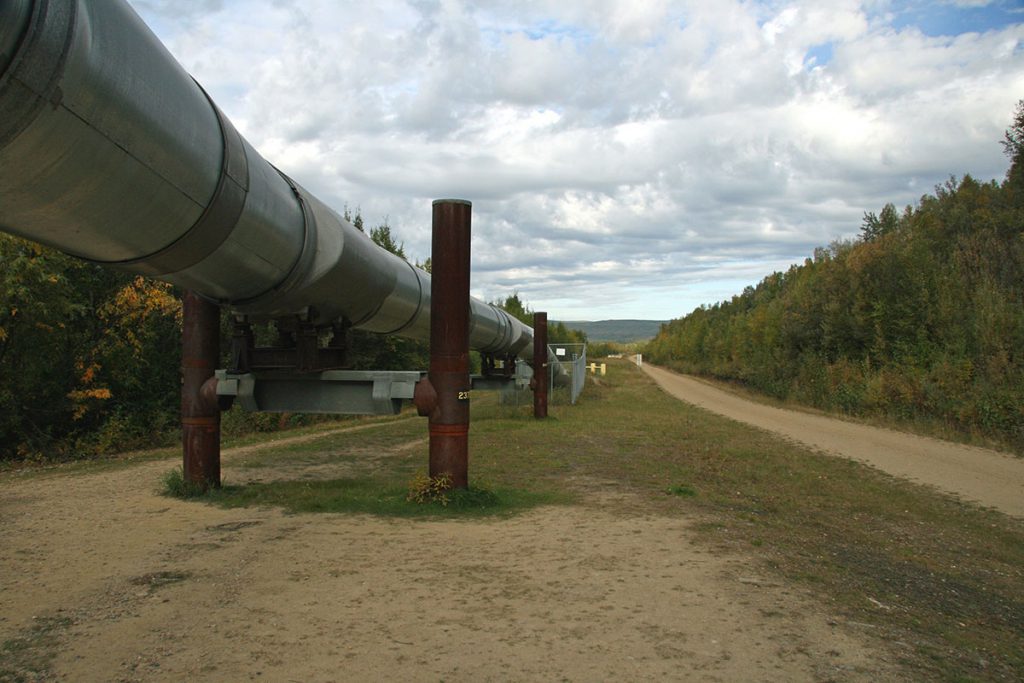
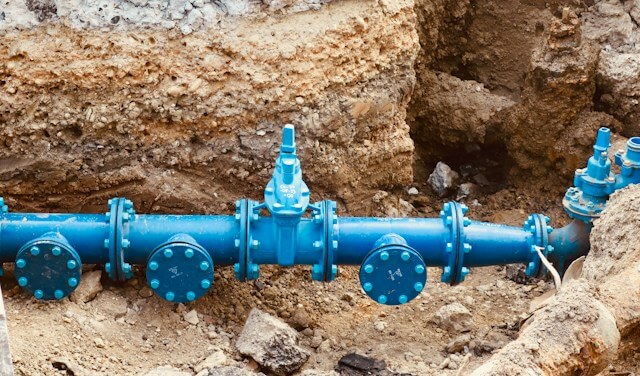
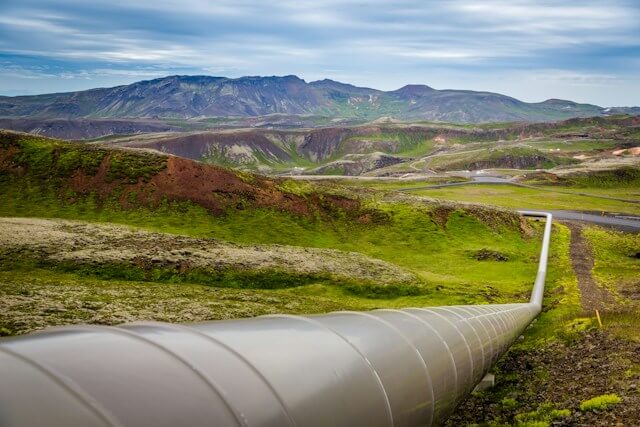
Pipeline Planning for Gas, Hydrogen, Oil and Water
Plan gas, hydrogen, oil and water pipelines faster and with greater confidence. Pathfinder automates route analysis, compares alternatives, and identifies environmental, technical and regulatory risks early — helping teams find viable, cost-effective corridors from the start.
Pipeline routing optimization (H₂)
Simplify the review of technical, terrain, and environmental restrictions and minimize project impacts during the pipeline planning stage.
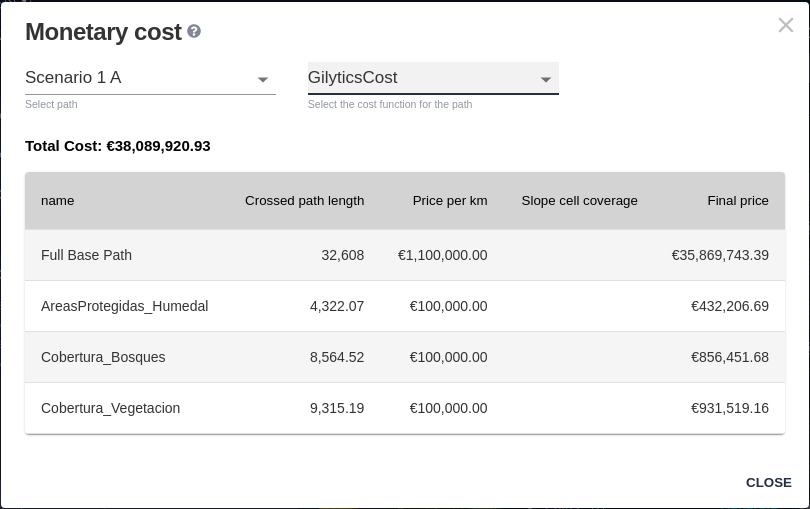
Cost estimation for tenders
Get more accurate tender cost estimations for route and cable connection by quantifying regulatory and environmental risk, CAPEX, OPEX and other constraints.

Stakeholder engagement
Pathfinder’s data-driven approach fosters transparency among stakeholders, promoting engagement and collaboration, by visualizing and communicating various infrastructure scenarios and their potential impacts.

Investment feasibility study
Conduct a fast feasibility study to decide when to invest in a cable, grid, or renewables project by quickly calculating costs and quantifying requirements.